Why transport hubs are so valuable
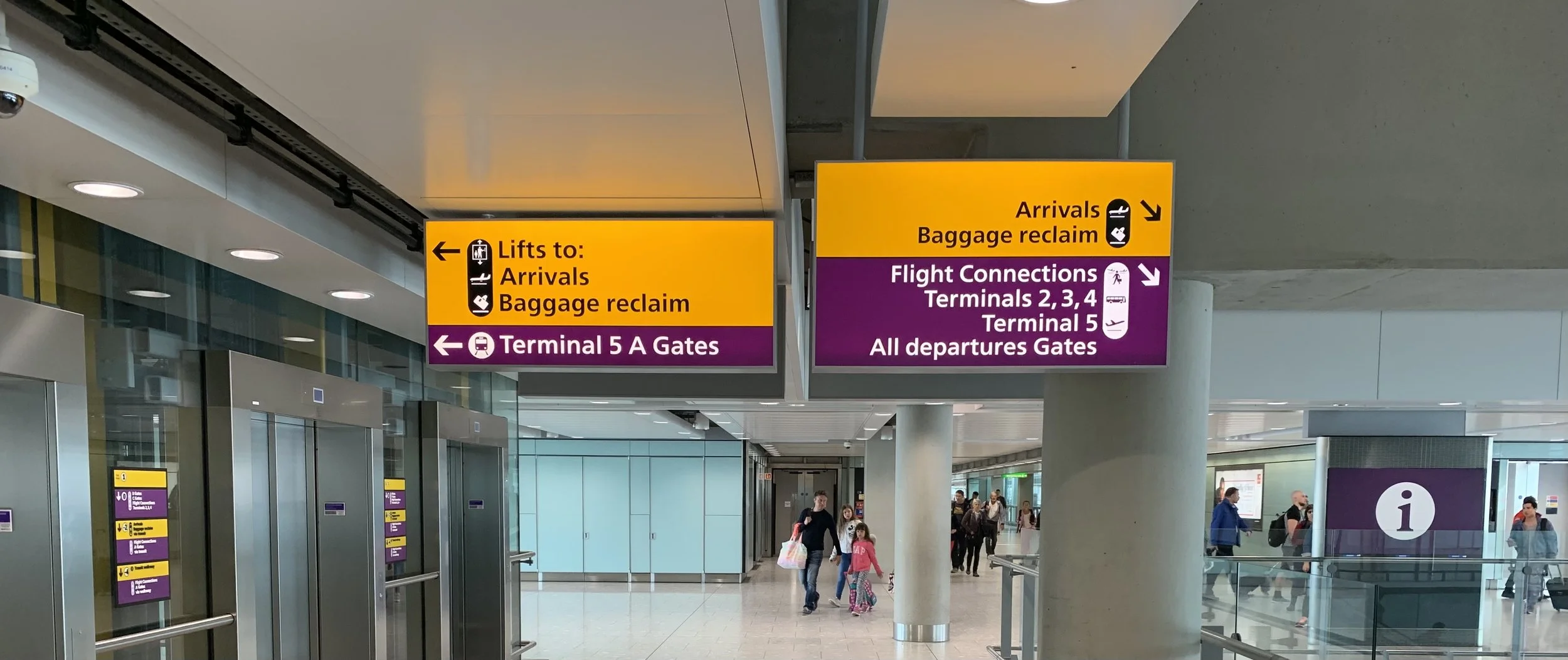
Why getting transport hubs to work is so hard, but so valuable.
Most journeys don’t go from A to B. In reality, you might cycle to a station, catch a train, change onto another train, then hop on a bus at the other end. Every point where you switch from one leg of the journey to the next is a hub. Hubs come in all shapes and sizes, but they all do the same basic job - helping people transfer from one transport mode to another. That handover moment matters far more than most transport planning gives it credit for. Getting them right is one of the biggest untapped opportunities in public transport today.
The real competition is the car
Whenever someone plans a journey, with a connection, they're quietly comparing it to driving. A car journey is one continuous trip: your own seat, your own music, your own space, and a strong sense of being in control. Even when it's slower, people often still choose it, because it feels more certain and more comfortable than switching between buses and trains.
Public transport isn't just competing on time. It's competing on how safe and predictable the whole experience feels. If something goes wrong on the road, it's still your car and your problem to solve. If something goes wrong partway on public transport you can end up stranded in someone else's system, unsure what to do next and reliant on others to help you. This self-induced anxiety seems a big reason why people choose to drive even it isn’t the rationale thing to do.
Utilising spare capacity is the real opportunity
Trains, trams, and buses cost roughly the same to run whether they're full or nearly empty, so a lot of public transport's capacity simply goes to waste at quieter times. There are two ways to fill that spare space: attract more people making that one specific journey (‘point to point’), or attract people who are travelling through on a longer trip and would otherwise have driven.
That second group - people connecting through a hub rather than starting or ending their journey there - turns out to be disproportionately valuable. Because the costs of running the service are already covered, extra passengers add revenue with very little extra cost. In practice, the clearest measure of a hub's commercial success is simple: how many extra seats get sold that would otherwise have been a car journey instead. This matters even more when the economy is under pressure and overall passenger numbers are down: filling off-peak capacity with people who'd otherwise drive becomes one of the more reliable ways to protect revenue. But to win those passengers over, operators need to do more than publish a timetable that technically lines up — they need to make the connection feel doable, easy, and trustworthy. In particular, make the passenger confident that it will work. A considerable number of people don’t travel because ‘they can’t face it’.
Hubs aren’t really understand around people
Changing trains or planes is stressful for a lot of people, more than transport planners tend to appreciate. Passengers making a tight connection are often anxious and feel under pressure. When people are stressed, they process information differently, and it becomes harder to take in spoken announcements or read detailed signs. But, much easier to follow something simple, like a single colour leading you in the right direction. One airport found that passengers rushing to make a connection often couldn't take in written or spoken instructions - but they could follow a colour. Given that billions of passengers make connecting flights every year, that's not a small design detail; it's a problem worth solving properly and at scale.
Two related gaps make this worse. First, most hubs don't clearly tell you whether you're actually on track to make your connection — something as simple as "yes, you'll make it" or "no, here's what to do instead" is surprisingly rare. Most information systems can tell you the time and schedule, but not whether you personally are going to be fine, which is really the only question an anxious passenger wants answered. Second, there seems little research on what passengers actually want from a hub, as opposed to what's simplest for engineers to build. Part of the reason this keeps happening is structural: most hubs involve several different organisations — different train operators, bus company’s or airlines — each running their own patch, with no single organisation clearly responsible for how the whole journey feels from a passenger's point of view. Add in the fact that most organisations are already stretched just running their own part well, and it's easy to see why the connection between services gets neglected. Fixing this doesn't require just new technology so much as a willingness to ask passengers directly what worries them and to design around the answer.
What do good hubs look like?
Where this has genuinely worked, it hasn't happened by accident. Major airports — Charles de Gaulle, Frankfurt, Munich, Heathrow — have had to work hard to making transfers work well, because filling connecting flights is central to how they make money. What sets them apart is leadership: one organisation takes charge of the whole passenger journey and gets everyone else, baggage handlers, security, retail, gate staff, to work to the same standard, rather than leaving it to chance. The key airline groups - OneWorld - STAR Alliance - SkyTeam are set-up to support this. Transport for London is another example of that same kind of joined-up thinking applied to city travel.
The best hubs also treat the wait itself as an opportunity rather than dead time. Speed isn't always what passengers value most; many will happily trade time for a journey that feels predictable and low-stress. A hub that's a genuinely pleasant place to be, with decent seating, relevant information, and shops or cafés worth visiting, changes how people feel about the whole journey. It's no coincidence that major hub redevelopments, like the regeneration around King's Cross, have reshaped entire neighbourhoods. Planners are increasingly treating hubs as places in their own right, not just corridors people pass through.
In short…
Airports have already worked out how much this is worth and built their business models around it. The opportunity now is for the rest of public transport, trains, trams, and buses, to catch up. It appears that there is little insight on what passengers want from these moments in their journey, or what it's worth to get it right. Whoever does that first stands to gain a great deal, both in loyal passengers and in revenue that would otherwise have gone to the car park.