What is it about toilets?
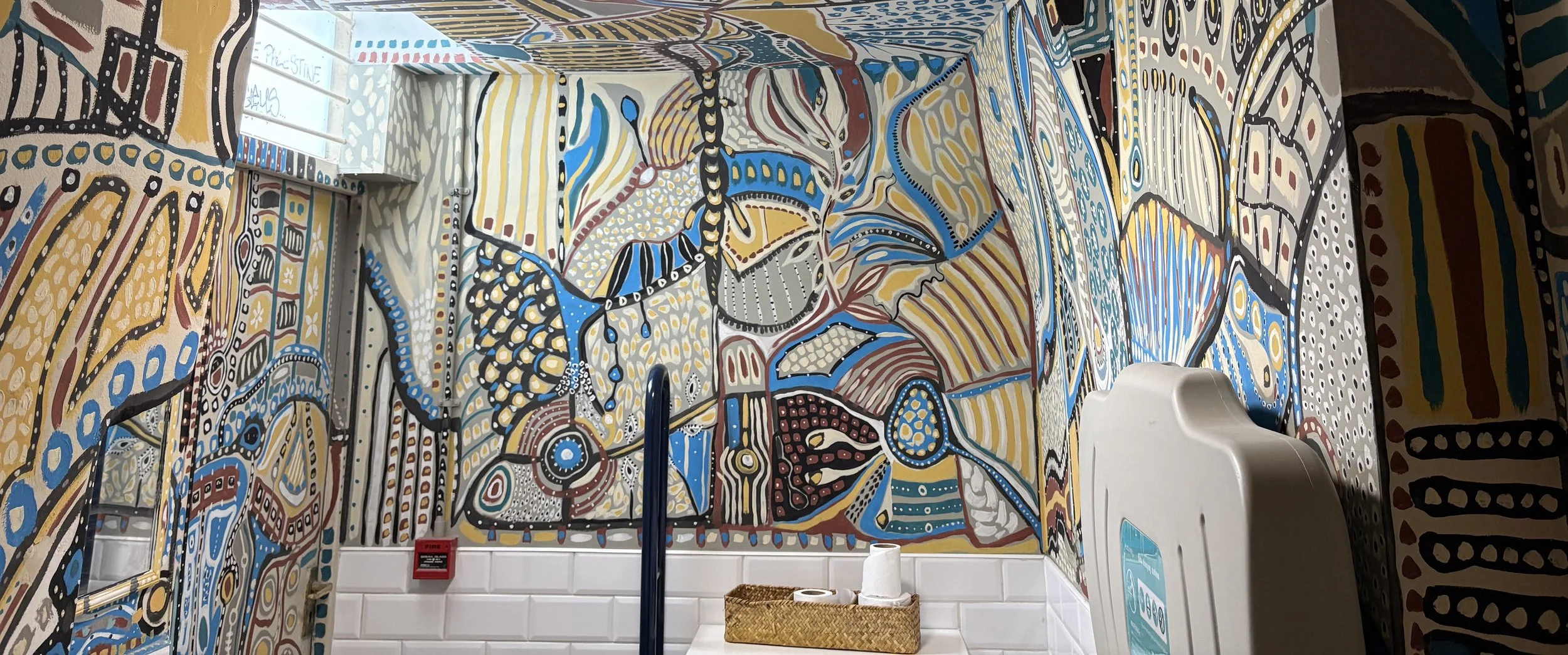
Toilets have unique place in people’s mind. Get it wrong and the perception of everything else suffers.
What is it about toilets? In the 30 years that I’ve been working in the built environment - visitor attractions, airports, train stations, offices you name it - consistently raise one issue; toilets. Clients usually underestimate how much they matter. Along with cafés and general cleanliness, they're treated as a baseline competency by people, yet are rarely a design priority. That's a mistake, getting that wrong will mean customers don’t ‘see’ everything else you’re doing. Here’s why.
Cleanliness is a proxy for everything else.
People make snap judgements, and cleanliness is one of the quickest proxies they use to judge something. Go to a friend's house for dinner and see a clean toilet - you'll assume the meal will be good. See a dirty one, and you'll start questioning everything else about the evening. Toilets work the same way in public buildings: get them right, and people assume the rest of the experience will be right too. Get them wrong, and it undermines trust in everything else you've done. I’ve noticed, from customer satisfaction surveys, that when satisfaction with toilets improves satisfaction with everything else tends to go up; a kind of ‘lead’ indicator. Relying on the British Standard doesn’t seem to work; it's a compliance baseline, not a customer-experience one. Anyone who has stood in a queue outside a female toilet knows that "meeting the standard" and "meeting demand" are not the same thing.
The fix isn’t usually more cleaning
Once a certain level of cleaning is provided, doing yet more cleaning fails to improve satisfaction. Perception of cleanliness is shaped by far more than the cleaning. Lighting is a good example: increasing lux levels changes how clean a space feels, improving satisfaction with toilets - and it’s cheap. There are dozens of similar low-cost interventions — most of them about perception rather than cleaning — that move the needle more than another round with a mop.
Toilets are typically an afterthought in design
Toilets get missed off in project briefs constantly, when they should be treated as a central, non-negotiable part of the design. A national museum reopened after a major refit - a genuinely beautiful, carefully considered building — the very first thing customers wrote about was the poor toilets. That pattern repeats itself again and again.
Location matters as much as quality. Toilets tend to end up wherever is most convenient for the design team - near the existing sewage pipes, often tucked out of the way. But customers want them near the start of the journey, not buried in the middle or left until the end. There's a basic human reality here: people can't focus on why they've actually come to do - the train, the exhibition, the flight - until the their basic needs are sorted out. But there's very little equivalent thinking applied more broadly, particularly for people with accessibility needs. That's a real opportunity: to rethink what a genuinely well-designed toilet looks like, and to change how disabled toilets are perceived in the process.
Why is this?
Part of the answer I believe is cultural. Improving toilets isn't seen as a career-enhancing initiative inside organisations. Tell your colleagues you've spent the year improving the quality of the toilets, and it doesn't land as impressive — even though it may matter more to customers than most of the "exciting" initiatives competing for the same budget. That points to a broader pattern: the more boring something is for the organisation, the more it tends to matter to the customer. What customers actually want is usually simple, important things done well and done consistently — not a flashy new initiative. Organisations talk about ‘innovation’, customers talk about ‘does it work’?
The Opportunity
If there's one thing worth taking from this, it's that toilets aren't a footnote to design - they're a leading indicator of how customers judge everything else. If you're involved in any kind of built environment project, it represents one of the core capabilities to get right; where do the toilets sit in the journey, what do they signal about the rest of the experience, and have you actually asked customers what they want - rather than just checking a standard? The organisations that get this right rarely talk about it. But their customers notice.